As the haulage industry embraces more sophisticated technology, it finds itself balancing the benefits of digital tools with the new risks they bring. Telematics devices track trucks in real‑time, electronic logging devices record hours of service and fleet management portals consolidate invoices, fuel purchases and driver data. These innovations make running a transport business more efficient than ever, but they also open avenues for cyber‑criminals to target the backend of your operation.
It might not be as tangible as a broken-down lorry on the motorway, but a hacked account can grind your operations to a halt just as quickly.
Why strong passwords matter more than you think
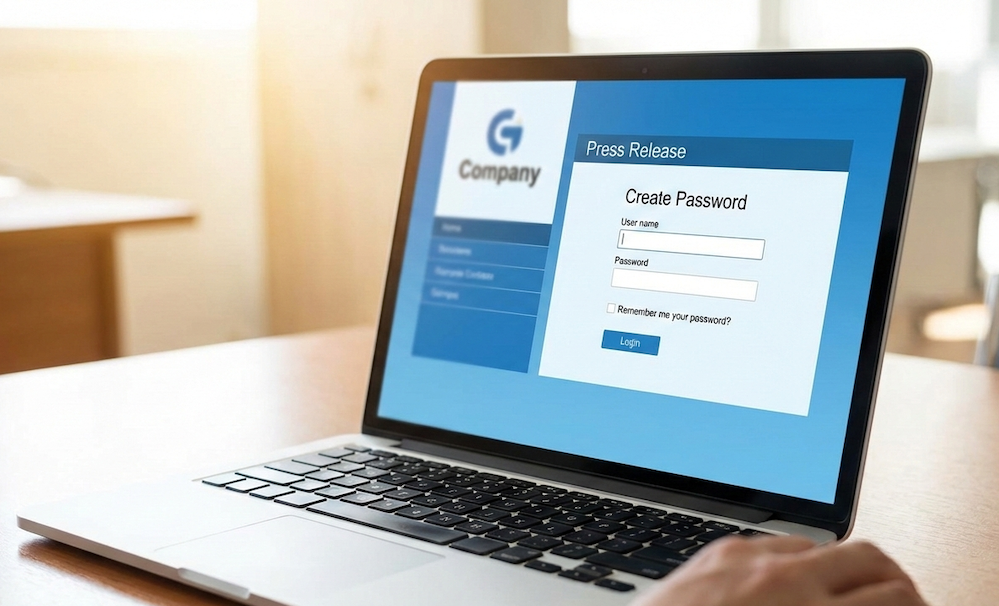
It’s easy to think of passwords as an annoying hurdle rather than a security feature. However, studies by the Cloud Security Alliance show that a randomly generated, secure password remains one of the simplest yet most effective defences against cyber‑attacks. The Alliance notes that a strong password should be at least 12 characters long and include a mix of uppercase and lowercase letters, numbers and symbols. Short or predictable passwords make it trivial for criminals to guess or crack, allowing them access to customer data, routing information and payment details stored in fleet management systems.
Passwords: The first line of defence for any business
Fleet companies are attractive targets because of the massive amounts of sensitive data they hold. Cybercriminals know that access to telematics portals can reveal cargo contents and route plans. They also realise that busy operators might reuse the same simple password across multiple systems.
Once compromised, that password can lead attackers straight to load boards, payroll systems or even fuel card accounts. That’s why industry veterans encourage staff training on good password habits and implementing tools that make secure passwords easier to manage.
How to build stronger passwords for fleet operations
Creating unique, complex passwords for every account is a good start, but it can feel overwhelming and inconvenient. Drivers and dispatchers juggle logins for logistics apps, route planning software and compliance portals on a daily basis.
Rather than relying on memory or writing them down on sticky notes, consider using a 12 character password generator tool to create robust credentials for each account. A password generator allows you to set length and complexity, ensuring each new password meets recommended standards without you having to think about it.
Once you have strong passwords, a password manager can keep them organised. These tools store credentials in an encrypted vault and autofill them when needed, reducing the temptation to reuse simple phrases.
For fleet owners, they allow you to grant drivers access to specific tools without revealing the actual password; when a driver leaves, you can revoke access instantly. Enabling multi‑factor authentication on critical portals adds an extra layer of protection if a password is compromised.
Creating a culture of security beyond passwords
Adopting secure passwords is just the first step in protecting your fleet’s data. Make cybersecurity part of your operations: review who can access which systems, update permissions as roles change, and train drivers and staff to spot phishing or suspicious links.
Not all email services offer the same protection. While many use transport-level encryption (TLS), some still scan messages or share access with third parties. For sensitive communications (like sending licences, insurance documents or payroll info) use end-to-end encrypted email so only you and the recipient can read them.
Embedding cybersecurity into your fleet operations
Building resilience against cyber‑threats avoids fines, downtime and maintains trust with your customers. A breach that exposes shipment details or payment information can quickly damage a reputation that took years to build.
By taking simple steps, such as using a trustworthy password generator for creating unique 12‑character passwords and educating staff about cybersecurity, you set your company on a path toward high security without sacrificing efficiency. In the long run, those efforts will keep your wheels turning and your data safe.