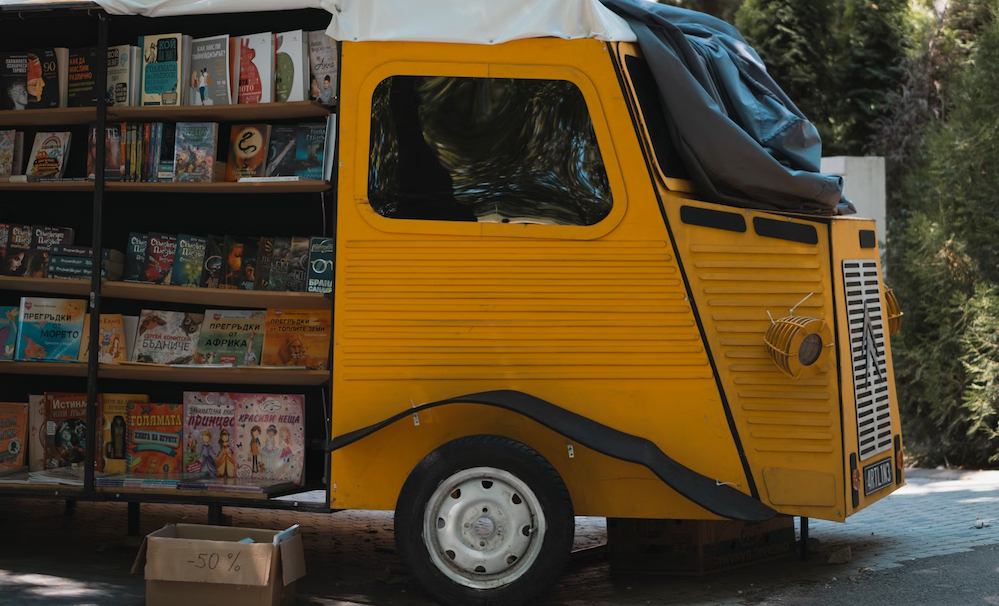
Bookmobiles – mobile libraries on wheels – are not new. They’ve been around for more than a century, but their relevance has surged in the last decade. In rural towns, urban neighborhoods with few resources, and schools with limited funding, these trucks and vans bring the library to the people. They aren’t just delivering books – they’re delivering opportunity.
For students, the value goes beyond reading for pleasure. Bookmobiles often carry textbooks, digital resources, and even tablets or Wi-Fi hotspots. These resources help bridge educational gaps, especially for those without stable internet access or quiet study environments.
And for students juggling schoolwork with part-time jobs or extracurriculars, the convenience of a library on their doorstep can be transformative. For some, this kind of direct access means they can spend less time commuting and more time studying – or even get extra help through tools like pay someone to do my homework at EssayPro when workloads become overwhelming.
Why Bookmobiles Are Making a Comeback
While digital learning tools have expanded access to information, the need for physical books and in-person support hasn’t gone away. In fact, librarians report that bookmobiles often attract students who rarely set foot in a traditional library. The reasons are simple: accessibility, visibility, and flexibility.
Bookmobiles remove the barrier of distance. They show up where students already are – outside schools, community centers, parks, and even grocery store parking lots. For many, this visibility turns curiosity into habit. Once a student steps inside, they often realize the mobile library offers much more than just lending books.
The Student Experience
Imagine being a high school junior in a rural area. The nearest library is 15 miles away, and public transportation is unreliable. But every Thursday, a brightly painted van pulls into your school parking lot. Inside, there’s a friendly librarian, rows of your favorite YA novels, a shelf of test prep books, and a cart of laptops you can check out. You can even sit in a corner seat to finish your homework before heading home.
That kind of access changes the game for students. They can explore interests beyond the classroom, find materials for projects, and engage with library programs they might have otherwise missed. Adam Jason, an education advocate and writer for EssayPro’s essay writing service, notes that mobile libraries often become “a safe space for students who don’t have one – a place where they can learn without distraction, judgment, or cost.”
What Bookmobiles Offer
Bookmobiles vary in size and services, but most aim to provide more than just a box of books. Here’s what students often find inside:
- Physical books across genres and reading levels
- Laptops or tablets available for loan
- Free Wi-Fi for completing assignments
- Printers and copiers for school projects
- Reading programs and literacy workshops
These offerings are especially important for students without access to home internet or quiet study areas. For them, the bookmobile can mean the difference between turning in an assignment and falling behind.
The Role in Educational Equity
Educational equity means every student has the tools and resources they need to succeed – regardless of zip code. Unfortunately, library deserts exist in both rural and urban areas, and these often overlap with lower-income neighborhoods. Bookmobiles directly address this issue by bringing resources into communities that need them most.
This isn’t just about convenience – it’s about leveling the playing field. A student who can’t research or complete assignments due to lack of resources is at an immediate disadvantage. Bookmobiles help fill that gap, ensuring that all students have at least some access to the tools their peers take for granted.
How Schools Partner with Bookmobiles
Many school districts are partnering with public libraries to align bookmobile visits with academic calendars. This means stocking mobile shelves with the exact novels, research materials, or nonfiction titles a class needs.
For example, during a unit on environmental science, the bookmobile might feature books, documentaries, and field guides related to the topic. This intentional curation makes the mobile library an extension of the classroom.
Digital Resources on Wheels
Today’s bookmobiles are also going digital. In addition to physical books, many offer e-books, audiobooks, and access to online databases. Some even carry portable Wi-Fi hotspots that students can borrow for weeks at a time. For students in rural areas where internet service is patchy, this can be life-changing.
Digital literacy workshops are another growing feature. Librarians teach students how to search for credible sources, evaluate online information, and use productivity tools. This bridges not only the digital divide but also the skills gap.
The Social Side of Bookmobiles
While academics are the core mission, bookmobiles also serve as a social hub. They host reading challenges, craft days, and even pop-up tutoring sessions. These activities foster a sense of community and encourage students to see the library as a resource they can trust and enjoy.
For some teens, a regular bookmobile visit might be their first step into library membership, volunteer work, or even a future career in education or librarianship.
Real-World Impact
The impact of bookmobiles isn’t just anecdotal. Studies show that students with regular access to libraries – mobile or otherwise – read more often, perform better on literacy assessments, and have higher academic confidence. The presence of a mobile library in underserved areas correlates with increased homework completion rates and greater participation in school projects.
Bookmobiles also often collaborate with local nonprofits, offering free school supplies, healthy snacks, and information on community resources. These added touches make them more than just a source of books – they become a multi-service support hub.
The Future of Mobile Libraries
The future looks bright for bookmobiles. With funding from local governments, grants, and community donations, more cities and rural districts are expanding their fleets. Some are experimenting with eco-friendly electric vehicles, solar panels for powering equipment, and modular designs that allow flexible use of space.
The challenge remains sustaining these services over time. Fuel, maintenance, and staffing all require consistent investment.
But as more communities see the return on this investment – in student achievement, community engagement, and literacy rates – the case for bookmobiles grows stronger.
Final Thoughts
In a world where educational demands keep rising, and students often juggle jobs, family, and extracurriculars, it’s worth remembering that help comes in many forms.
Sometimes in the form of a friendly librarian in a parked van, and sometimes through online academic tools like EssayPro, where expert writers work to ensure students can keep pace no matter what life throws at them.