Most people think towing depends on engine size, but that’s only part of the story. According to data from AUTODOC specialists “with over 550,000 touring caravans registered in the UK and approximately 25% of vehicles across Europe fitted with tow bars, knowing your options matters.” What really counts is matching your vehicle to what you actually tow. A well-set-up mid-range car often beats a powerful one with the wrong towbar, making smart choices more valuable than big numbers on paper.
Towing success isn’t just about horsepower. Torque delivery, gearbox type, chassis setup, and weight balance all play their part. A diesel estate with modest power can tow more confidently than a petrol SUV with bigger figures, simply because it’s built for the job. Around 10 million UK vehicles have towbars fitted, but the most popular choices aren’t always the most powerful.
What buyers actually want
British drivers now pick practicality over power when choosing tow cars. Fuel costs while towing, easy daily driving, and sensible running expenses matter more than spec sheets. That shift shows in what people buy.
Weekend towers pulling caravans or horseboxes a few times a year go for mid-sized SUVs or estates with 150-200 horsepower. These balance everyday use with decent towing. Commercial and farm users need more grunt – above 200 horsepower – but even they care more about diesel torque than peak power.
Families need something different again. School runs and shopping trips six days a week, then towing on holiday. A compact SUV with a 1.5-litre diesel and proper towbar works better than a thirsty performance car they’ll barely use properly. AUTODOC has detailed guides on matching towbars to different vehicles and uses.
What the specs don’t tell you
The towing capacity in your handbook only tells half the story. Gross train weight – your car plus trailer combined – matters just as much. Plenty of powerful cars can’t legally tow what drivers want because the manufacturer’s weight limits won’t allow it, regardless of engine strength.
What different vehicles can actually tow:
| Vehicle Category | Typical Engine Size | Towing Capacity (Braked) | Best Fuel Type | Common Usage |
| Compact SUVs | 1.5-2.0L | 1,300-1,500kg | Diesel | Weekend leisure, small caravans |
| Mid-size SUVs | 2.0-2.5L | 2,000-2,300kg | Diesel | Family holidays, medium caravans |
| Large SUVs/Estates | 2.2-3.0L | 2,500-3,500kg | Diesel | Heavy loads, commercial use |
| Pickup Trucks | 2.0-3.5L | 3,000-3,500kg | Diesel | Agricultural, construction, large caravans |
Mid-size diesels between 2.0 and 2.5 litres handle up to 2,300kg, which covers most family caravans. The sweet spot sits around 2,000kg – enough for touring whilst keeping fuel costs reasonable and the car usable daily.
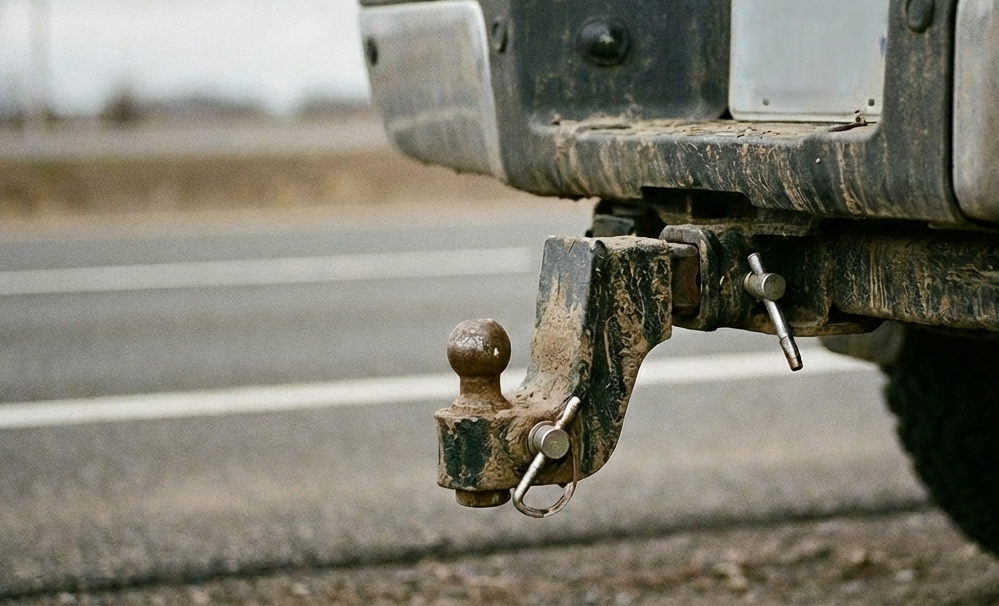
Towbar type matters too. Fixed ones give maximum strength for regular heavy towing. Detachable versions let you remove the bar when not needed, keeping the car looking clean and sometimes saving fuel. Swan neck designs suit certain couplings better, while flange types work with modern cars that have rear sensors and cameras. AUTODOC lists which towbar fits which vehicle, with full fitting specs.
Modern cars increasingly come with towing tech – trailer stability control, reversing help, and blind spot warnings adapted for trailers. These features often help more than extra power, especially if you’re new to towing. A mid-range car with proper towing aids beats a powerful one without them.
Why diesel still dominates for regular towing
The numbers show why diesel remains the go-to for frequent towers. Diesel engines make about 36% more torque than equivalent petrols, delivering that pulling force at lower revs. This means stronger response in the mid-range and better pulling in higher gears when towing.
Show Image
Real-world testing backs this up. Recent tests showed diesels returning around 30 mpg while towing, against just 21 mpg for equivalent petrols on the same roads. For anyone towing regularly, that fuel difference adds up fast. The comparison above shows the gap clearly – diesel’s 36% torque advantage means more confident pulling, especially on hills or when overtaking with a heavy load behind.
Diesels also weigh more than petrol equivalents, which helps stability. The extra weight anchors the rear, reducing caravan sway. Experienced towers seek out diesels for this mix of pulling power, economy, and stability. Petrol engines have their place though – quieter, smoother, and typically cheaper to buy – making them fine for occasional towers who value daily comfort over maximum towing ability.
Picking what you actually need
Be honest about what you’ll tow. A small camping trailer three times a year? A compact crossover with 1,500kg capacity does fine. Save the big engines for genuine heavy work – large caravans, loaded horseboxes, or commercial trailers.
Think about total costs. Bigger engines cost more to insure, tax, and fuel. If you only tow occasionally, paying extra for maximum capability makes little sense. The detailed information on the website AUTODOC.CO.UK helps match vehicle specs to towbar requirements, covering compatibility and safety whilst stocking quality components from leading manufacturers.
AUTODOC specialists stress that fitting and maintenance matter as much as picking the right vehicle. Even the best car performs poorly with a badly fitted or neglected towbar. Check electrical connections, ball wear, and bolt tightness regularly to keep things safe.
The market reflects this balanced thinking. Popular choices among British towers include mid-sized diesel estates, compact SUVs with decent torque, and versatile pickups – vehicles mixing reasonable towing with everyday practicality rather than chasing maximum numbers.
Sources: AUTODOC specialists, Ultimate Towbars, Camping and Caravanning Club, Practical Caravan, Autotrader, What Car?, National Caravan Council.
FAQ:
Is petrol suitable for occasional towing?
Petrol engines handle occasional towing well and typically cost less to run daily. Diesel delivers stronger pulling force and burns less fuel while towing, making it better for frequent use or heavier loads above 1,800kg. Stick with petrol for lighter caravans you tow a few times yearly.
Can I check if my car can tow my caravan legally?
Look at your VIN plate under the bonnet. Take the gross train weight minus the vehicle weight – that’s your limit. Your caravan’s maximum weight can’t exceed this number. New to towing? Keep your caravan below 85 per cent of what your car weighs empty.