Haulage companies are under pressure to reduce costs while maintaining quality. Energy-saving storage solutions offer a way to achieve this. Innovations in cold storage technology are key to these improvements.
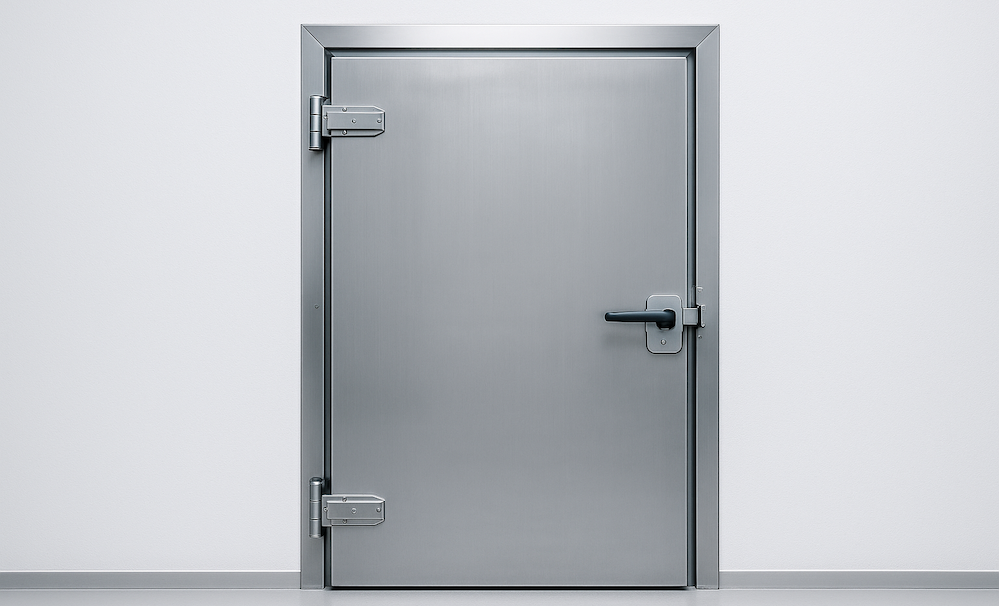
The haulage industry is always looking for ways to enhance efficiency and cut costs. Energy efficiency directly affects profitability. By adopting energy-saving storage solutions, particularly in cold storage, companies can optimise their operations. Implementing advanced technologies like improved cold room doors can lead to substantial cost savings while maintaining high performance standards.
Understanding energy consumption in haulage
Energy consumption is one of the largest operational expenses for haulage companies. Reducing this cost is essential for improving profitability. With fluctuating fuel prices and stricter environmental regulations, companies need to explore energy-efficient solutions. These solutions not only lower costs but also help reduce carbon footprints, aligning with global sustainability goals.
Integrating energy-efficient technologies into operations can result in significant savings. For many businesses, this involves adopting systems that minimise energy waste and optimise resource use. By doing so, you not only improve financial performance but also gain a competitive edge in the market. As more companies adopt these technologies, the industry moves towards a more sustainable future.
Temperature-controlled transport represents a particularly energy-intensive segment of the haulage sector. Refrigerated vehicles can consume up to 30% more fuel than standard trucks, making them a prime target for efficiency improvements. Understanding where energy is being consumed throughout your cold chain operations enables you to identify specific areas for optimisation. From warehouse storage to last-mile delivery, each stage presents opportunities to implement energy-saving measures that compound into substantial annual savings.
Innovations in cold storage technology
Recent advancements in cold storage technology offer substantial benefits for energy efficiency. Innovations such as improved insulation materials and smart temperature control systems are making a noticeable difference. These technologies help maintain precise temperature control, crucial for preserving goods during transport. You will find that these improvements lead to reduced energy consumption and increased operational reliability.
For you, adopting these innovations means investing in systems that deliver long-term savings. Modern cold storage solutions are designed to optimise energy use while ensuring consistent temperature management. By implementing these technologies, your business can enhance product quality and extend shelf life, ultimately benefiting your bottom line.
Smart monitoring systems equipped with IoT sensors represent another breakthrough in cold storage efficiency. These systems provide real-time data on temperature fluctuations, door openings, and equipment performance, allowing you to respond proactively to potential issues before they escalate. Advanced thermal imaging technology can identify insulation weaknesses and air leakage points that traditional methods might miss. By leveraging these digital solutions, you gain unprecedented visibility into your cold storage operations, enabling data-driven decisions that optimise both energy consumption and operational performance.
Overcoming challenges in adopting new technologies
While the benefits are clear, you may encounter challenges when adopting energy-efficient storage solutions. Initial investment costs can be significant, requiring careful planning and budgeting. Additionally, integrating new systems into existing operations may pose logistical hurdles that need addressing through strategic planning.
It’s essential to consider various factors when selecting energy-efficient technologies for your haulage needs. Evaluating the compatibility of new systems with current infrastructure is crucial for seamless integration. You should also prioritise training staff to ensure they can effectively manage and maintain these advanced systems, maximising their potential benefits.
Financing options and government incentives can significantly ease the transition to energy-efficient storage solutions. Many regions offer grants, tax credits, or low-interest loans specifically designed to support businesses adopting sustainable technologies. Conducting a comprehensive cost-benefit analysis that accounts for long-term energy savings, maintenance reductions, and potential incentives helps justify the initial investment. Partnering with experienced suppliers who offer installation support and ongoing maintenance services can further reduce implementation risks and ensure your new systems deliver the promised efficiency gains from day one.