Large commercial trucks weigh up to 80,000 pounds, turning every highway journey into a high-stakes scenario where one mistake can shatter lives. Columbia’s growing logistics industry brings economic benefits, but it also increases the likelihood of collisions involving these massive vehicles.
Safety protocols serve as safeguards between routine deliveries and potential accidents. Assessing which measures actually work can help drivers, companies, and communities take meaningful action to prevent tragedies.
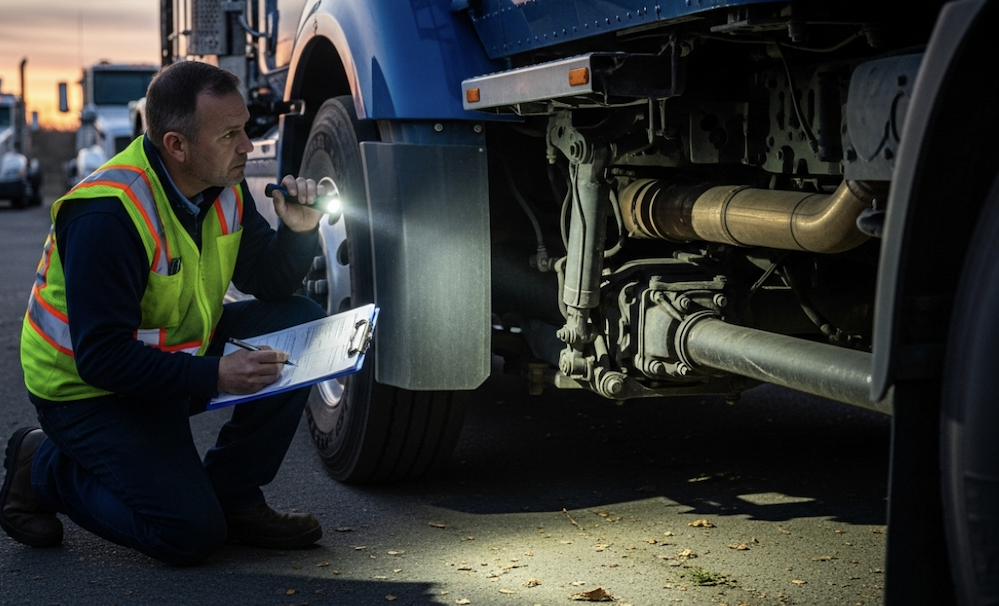
How Do Pre-Trip Inspections Prevent Mechanical Failures?
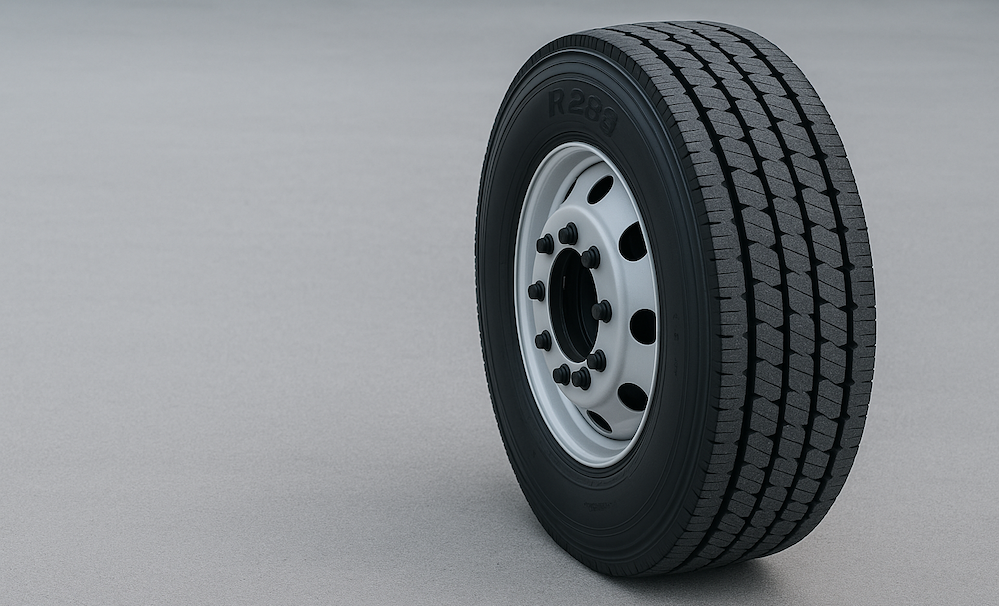
Federal Motor Carrier Safety Regulations require thorough pre-trip inspections, yet preventable mechanical failures still cause crashes. Brake system problems represent a significant factor; inspections catch worn pads, leaking fluid, and misaligned components before failure. Tires demand scrutiny since highway-speed blowouts cause instant loss of control. On Columbia’s busy corridors, like Interstate 26 and Interstate 77, checking tread depth, air pressure, and sidewall integrity takes minutes but prevents serious incidents.
Investigations of truck crashes nationally show that mechanical defects contribute to preventable collisions, and Columbia likely reflects similar trends. If you are involved in a truck accident in Columbia and are uncertain about your legal rights, consulting a Columbia truck accident lawyer at Stewart Law Offices can provide clarity on carrier responsibilities and the steps needed to pursue a claim. Recognizing how inspections reduce mechanical failures underscores the importance of both safety compliance and accountability in preventing serious crashes.
Why Does Hours-of-Service Compliance Matter?
Extended hours cause reduced reaction times, impaired judgment, and microsleeps where drivers zone out for seconds, covering significant distances at highway speeds. Electronic logging devices prevent falsified drive times, but only when companies prioritize safety over delivery schedules. Pressure to meet unrealistic timelines pushes drivers to skip breaks, undermining protective regulations.
The FMCSA’s 2024 Pocket Guide reports that driver out-of-service violations reached 6.4% in 2023, with 185,640 drivers placed out-of-service during roadside inspections. Hours-of-service violations represented a significant portion, including 60,442 false logbook entries and 33,185 Electronic Logging Device non-compliance violations among the most frequent infractions documented nationwide.
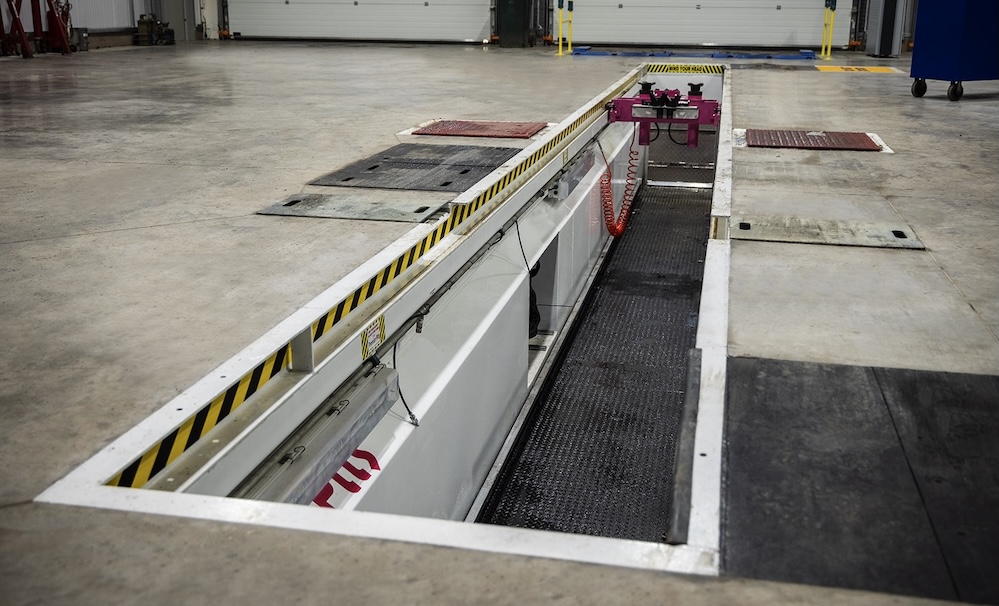
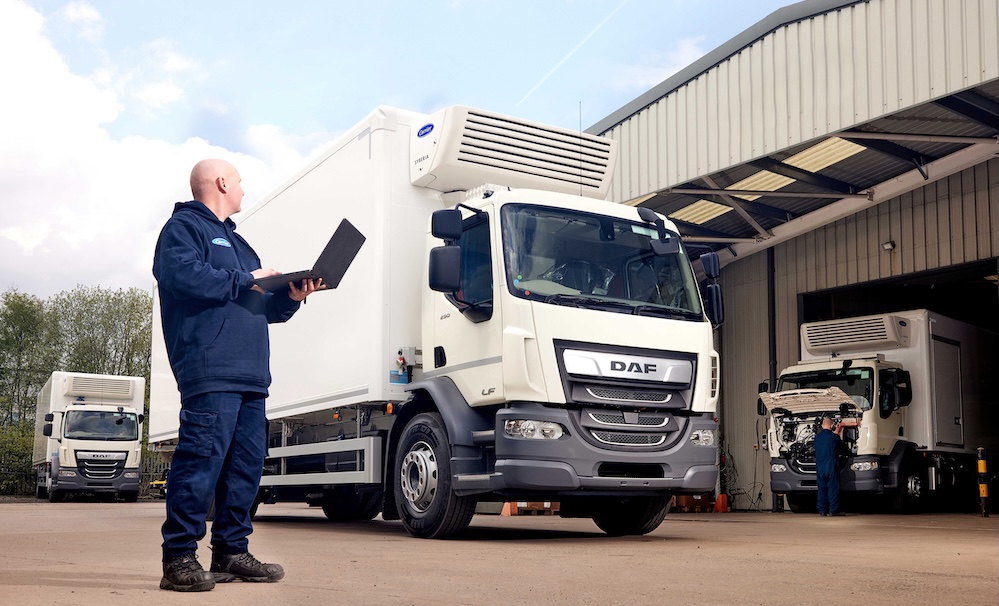
Where Should Companies Focus Their Vehicle Maintenance Programs?
Systematic maintenance schedules help prevent the gradual deterioration that can lead to failures. Random inspections catch some problems, but structured programs may identify patterns before emergencies. According to the Federal Motor Carrier Safety Administration’s Large Truck and Bus Statistics, vehicle out-of-service violations during inspections in 2023 reached 22.6% of all vehicle inspections conducted, with a total of 450,477 vehicles placed out-of-service due to serious safety defects. Here’s a closer look at the areas that deserve consistent attention:
Brake System Monitoring
Brake components endure stress with every load and every stop. Scheduled replacements based on mileage and load history, not just visible wear, help maintain stopping power. Regular monitoring can detect potential issues before they affect performance.
Tire Rotation and Replacement
Uneven wear creates weak points that may fail without warning. Regular rotation extends tire life while maintaining even tread depth. Replacing tires before they reach the minimum legal limits provides an additional safety margin.
Suspension and Steering Systems
Worn suspension components affect handling and can increase stopping distances. Loose steering linkages make precise control difficult, particularly during evasive actions. These systems require professional inspection because internal wear isn’t always visible.
How Can Technology Support Traditional Safety Measures?
Modern safety technology supplements driver skill and vehicle maintenance rather than replacing them. These systems work when integrated into a comprehensive safety culture. As said by Stephen Vicari, Columbia truck accident lawyer, “Advanced safety technology does not replace a carrier’s fundamental duty of care. The most defensible safety programs combine cutting-edge systems with proper training, diligent maintenance, and sound judgment.”
Collision avoidance systems use radar and cameras to detect obstacles and trigger warnings or automatic braking. Lane departure alerts notify drivers drifting from distraction or drowsiness, while speed limiters prevent unsafe velocities. Telematics tracks driving behaviors, such as harsh braking, rapid acceleration, and sharp turns, to identify drivers needing training and problematic routes.
What Makes Load Securement Important to Highway Safety?
Improperly secured cargo shifts during transport, affecting vehicle stability and sometimes breaking free. A shifted load can cause a truck to roll over during a turn that would otherwise be routine. Federal regulations specify requirements for different cargo types, including the number and placement of tie-downs.
A load that shifts can fundamentally change a vehicle’s center of gravity, making rollovers more likely even at moderate speeds. Drivers should check securement devices periodically during trips because vibration and road conditions can loosen straps and chains.
If you have faced a truck accident on Broad River Road or Garners Ferry Road in Columbia, you can visit Stewart Law Offices at 10 Calendar Ct # 100, SC 29206, United States, located in less than 2 minute drive from Synovus Bank, or you can call professionals directly by dialling (803) 743-4200.
Frequently Asked Questions
Can technology completely prevent truck accidents?
Technology helps reduce risk, but can’t eliminate all accidents. It works alongside proper training and maintenance programs.
What’s the most overlooked safety protocol?
Proper following distance receives insufficient attention. Trucks need considerably more space than passenger vehicles to stop safely.
Do weather conditions require different safety protocols?
Yes, rain, snow, and ice demand reduced speeds and increased following distances. Adverse weather requires adjusted driving practices.