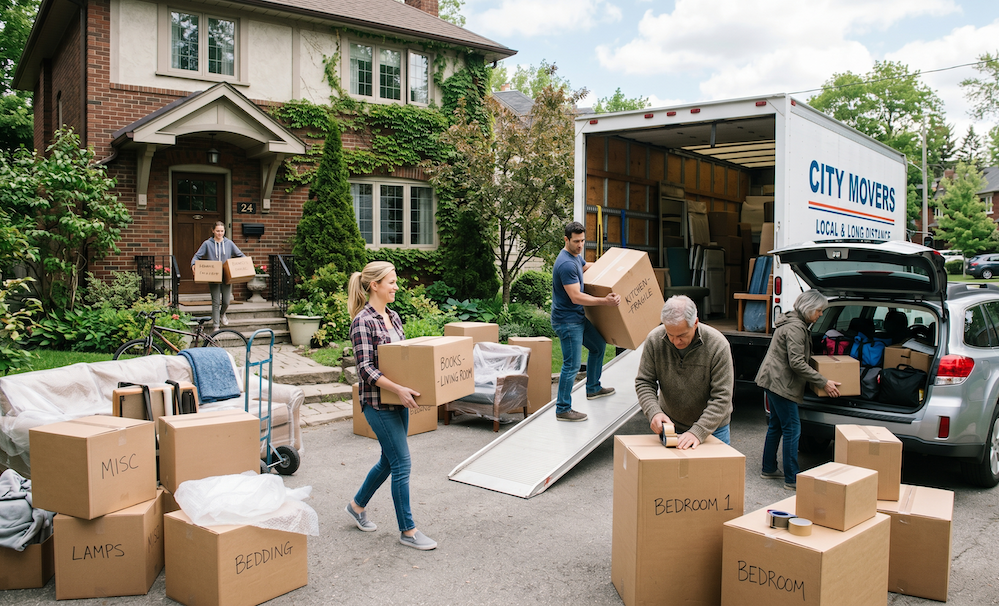
Long-distance household moves are not just about packing boxes. They are a logistics exercise. From vehicle choice and load planning to route timing and safe handling, every stage affects how securely goods travel from one property to another. When furniture, appliances, and personal items are being transported across the UK, the right haulage approach can make all the difference.
Plan The Move Like A Transport Job
A successful long-distance move starts with a clear plan. Before moving day, create a full inventory of the items being transported, including large furniture, white goods, fragile items, boxes, and any awkward or heavy pieces.
This helps determine the size of vehicle needed, how much loading time is required, and whether extra equipment is necessary. It also reduces the risk of items being left behind or loaded in the wrong order. For longer journeys, a detailed inventory also gives both the customer and removal team a clear record of what is being moved.
Choose The Right Vehicle
Vehicle choice is one of the biggest factors in safe household transport. A van that is too small may lead to items being squeezed in, stacked badly, or moved in multiple trips. A vehicle that is too large can leave too much empty space, allowing goods to shift while in transit.
Professional movers will assess the load and choose a suitable vehicle based on volume, weight, access restrictions, and journey distance. For larger household moves, using a service that provides national removals across the UK from Finest Van can help ensure goods are transported in a suitable vehicle and handled with long-distance travel in mind.
Load Goods Safely And Strategically
Good loading is essential for long-distance removals. Heavy items should usually be loaded first and placed low in the vehicle to create a stable base. Larger furniture can then be secured around the sides, with lighter boxes and softer items positioned carefully to fill gaps.
Weight distribution matters. An uneven load can affect vehicle handling, braking, and safety on the road. Items should also be secured with straps, blankets, and protective covers to prevent movement during sharp turns, motorway driving, or sudden stops.
Protect Items For A Longer Journey
Household goods travelling a long distance need more protection than items being moved a few streets away. Furniture should be wrapped to prevent scratches, glass should be covered and secured upright, and appliances should be emptied, cleaned, and stabilised before loading.
Fragile boxes should be clearly marked and kept away from heavy items. Where possible, delicate goods should be packed tightly enough to prevent movement but not so tightly that pressure causes damage.
Factor In Route And Access Planning
Long-distance haulage is affected by more than mileage. Traffic, parking, loading bays, narrow streets, low bridges, and property access all need to be considered. Planning the route in advance helps avoid delays and makes unloading safer at the destination.
It is also important to check access at both properties. If the vehicle cannot park close to the door, the removal team may need extra time, equipment, or staff to move goods safely.
Keep Communication Clear
Clear communication between the customer and removal team is vital. Share any details about fragile items, access issues, parking restrictions, time limits, or items that need to be loaded last and unloaded first.
For long-distance moves, this level of coordination helps the journey run smoothly and reduces the chance of damage, delays, or confusion.